Repair. Don't Replace.
Every device has a footprint before it reaches your hands. When a device can be repaired, extending its life may help avoid the materials, energy, and resources needed to manufacture a replacement. Small choices can contribute to a less wasteful relationship with technology.
The impact is bigger than one device.
Electronic waste is a growing global challenge. Understanding the scale of the problem helps explain why extending a device's useful life is worth considering.
Share of that e-waste formally collected and documented as recycled in 2022.
UN Global E-waste Monitor, 2024 ↗A comparative estimate for repaired and refurbished phones against new phones, across their lifecycle.
GSMA, Mobile Net Zero 2025 ↗We're creating more electronic waste than we can manage.
Phones, tablets, laptops, and other electronic devices contain valuable materials and components. When devices are discarded prematurely, those materials may be lost, and waste can be difficult to manage safely.
Manufacturing new electronics also requires raw materials, energy, water, and transport. Extending the life of a device, where practical, is one way to reduce the need for a replacement.
Devices that are no longer wanted or usable contribute to the growing global e-waste stream.
Electronics depend on materials that must be mined, processed, and manufactured into components.
Producing a replacement device requires new materials and energy, even when the original device might have been repairable.
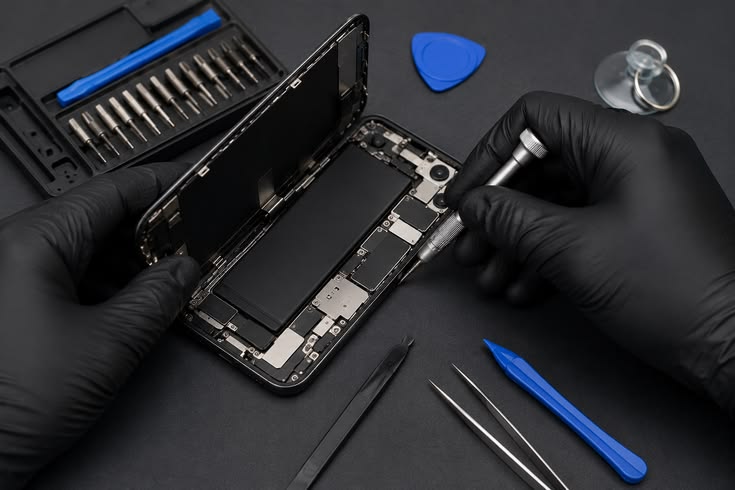
Give your device a longer life.
A cracked screen, worn battery, or damaged charging port doesn't automatically mean you need a new device. When a repair is technically feasible and makes sense for the device, fixing the problem can help you continue using technology you already own.
Extend the practical life of devices that can still meet your needs.
A suitable repair may reduce the need to purchase a new device immediately.
Compare the repair cost, expected lifespan, device condition, and replacement options before deciding.
Repair is part of the solution, not the whole solution.
Repair can extend a device's useful life, but the environmental outcome depends on the device, the fault, the replacement parts, transport, and how long the device remains in use afterwards.
- The device can be safely and practically repaired.
- The repair cost is reasonable relative to the device's value and expected remaining life.
- Suitable parts and competent repair services are available.
- The repaired device will continue to meet the owner's needs.
- Some damage cannot be repaired economically or safely.
- Certain repairs require replacement components with their own environmental footprint.
- Repair transport, parts, and repeated repairs also have impacts.
- Devices that are beyond practical repair should be handled through appropriate e-waste collection and recycling services.
Technology should be easier to repair.
The Right to Repair movement supports better access to repair information, suitable spare parts, tools, and independent repair services. These can help consumers and repair professionals make more informed choices about keeping products in use.
Suitable replacement parts should be available where required and practical.
Repair information and service documentation can help qualified professionals carry out appropriate repairs.
Repairability should be considered alongside durability, safety, performance, and cost when choosing technology.
Making repair more convenient is where we start.
Venio connects customers with independent device-repair technicians who can provide repairs at supported locations. By making the process easier to arrange, we want to help more people consider repairing a device before replacing it.
Our contribution starts with convenient access to repair. We will not claim a measured environmental benefit for the platform until we have reliable data to support it.
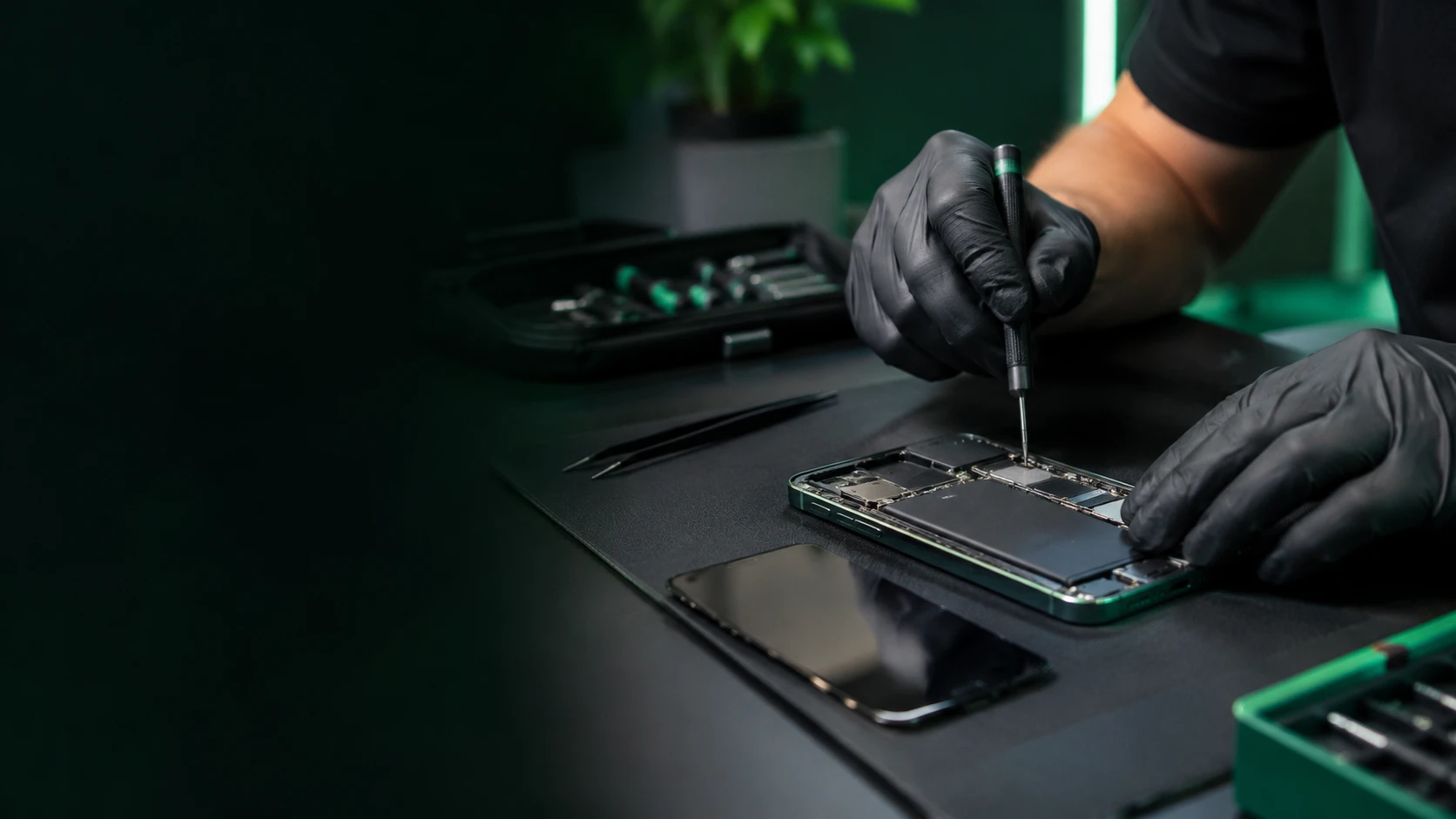
Your next repair can be a better choice.
Before replacing a device, find out whether a practical repair could help you keep it in use for longer.